
Journal GTP Morocco
Fixer in Morocco: what a local production partner actually does
Fixer in Morocco: what a local production partner actually does. Practical guidance from Good Times Production Morocco on planning, field production and deliv
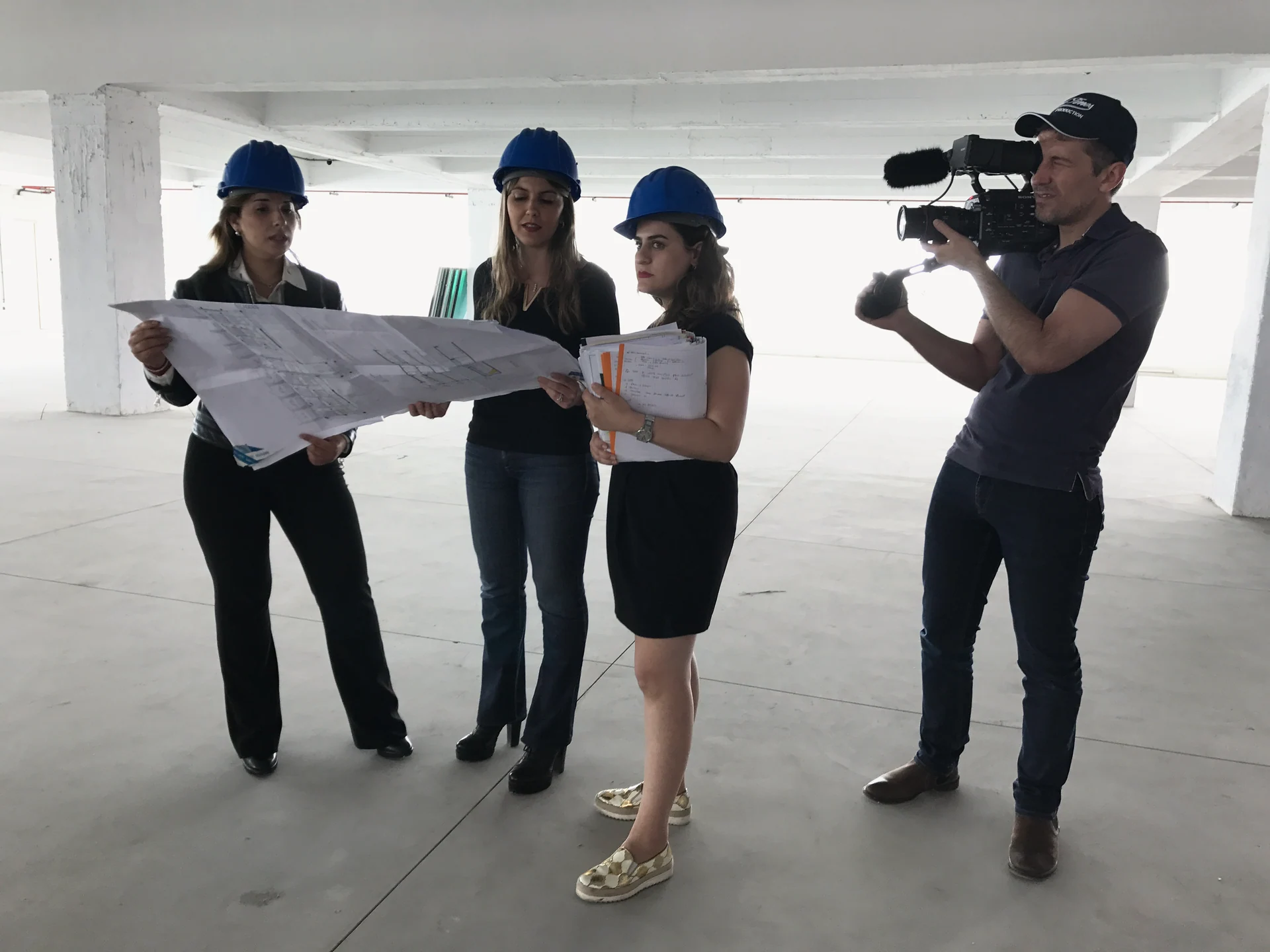
Fixer in Morocco: what a local production partner actually does is as much about method as it is about image. In Morocco, strong production connects creative intention, field realities and the actual use of the content. This guide offers a practical view of fixer Morocco, without artificial formulas or unrealistic promises.
Adapt the setup to the reality of the location
The same production plan does not work everywhere. City centres, industrial sites, mountains and rural areas bring different constraints. Local knowledge helps adjust crew size, vehicles, power, sound and scheduling margins.
Applied to fixer Morocco, this means looking at the project as one system: preparation, people, locations, technical choices, distribution and approval. The most useful decision is often the one that simplifies production without weakening the story.
Keep communication operational
Fixing is also a form of operational translation. Creative requests need to become local actions, while local constraints need to be reported clearly. Short, documented communication prevents a surprising number of production problems.
Applied to fixer Morocco, this means looking at the project as one system: preparation, people, locations, technical choices, distribution and approval. The most useful decision is often the one that simplifies production without weakening the story.
Prepare the ground before the crew arrives
A strong local production partner reduces uncertainty. Locations, access, contacts, travel and technical needs should be checked before the travelling crew is on the ground. The real value appears on shooting day, when decisions need to be fast.
Applied to fixer Morocco, this means looking at the project as one system: preparation, people, locations, technical choices, distribution and approval. The most useful decision is often the one that simplifies production without weakening the story.
Separate confirmed facts from open questions
International productions benefit from a simple distinction between what is secured and what still needs validation. Permits, schedules, contributors, transport and equipment should be tracked in one clear document with an owner for each item.
Applied to fixer Morocco, this means looking at the project as one system: preparation, people, locations, technical choices, distribution and approval. The most useful decision is often the one that simplifies production without weakening the story.
Practical checklist
- Clarify the objective and audience before discussing resources.
- Identify approvals, permissions and external dependencies.
- Build the schedule around real field constraints.
- Plan primary deliverables and adaptations before the shoot.
- Assign clear ownership for every critical decision.
Our recommendation
At Good Times Production Morocco, we first look for the setup that is right for the project. Sometimes that means a smaller crew for mobility, sometimes more preparation or post-production. The goal is not to impress with resources, but to secure the result.
Keep the production readable
What audiences perceive as quality is closely linked to clarity behind the scenes. A well-prepared project creates more room for direction, encounters and useful surprises. That is often where the strongest images come from.
Continue exploringDiscover our audiovisual production, explore our production services, or discuss your project through work.
Frequently asked questions
How much preparation time should be allowed?
It depends on the number of locations, contributors, permits and deliverables. A good approach is to start with the elements that depend on third parties, then build the schedule around the approvals that are genuinely required.
Does the travelling production need to bring the full crew?
Not necessarily. Production, camera, sound, assistants and logistics can often be sourced locally. The right balance depends on the format and on which responsibilities the travelling production wants to retain.
Can social versions be planned from the start?
Yes, and that is usually better. Aspect ratios, openings, cutaways and graphic needs can be anticipated during the shoot instead of forcing weak adaptations in post-production.