
Journal GTP Morocco
Audiovisual production in Morocco: how to frame a project from A to Z
Audiovisual production in Morocco: how to frame a project from A to Z. Practical guidance from Good Times Production Morocco on planning, field production and
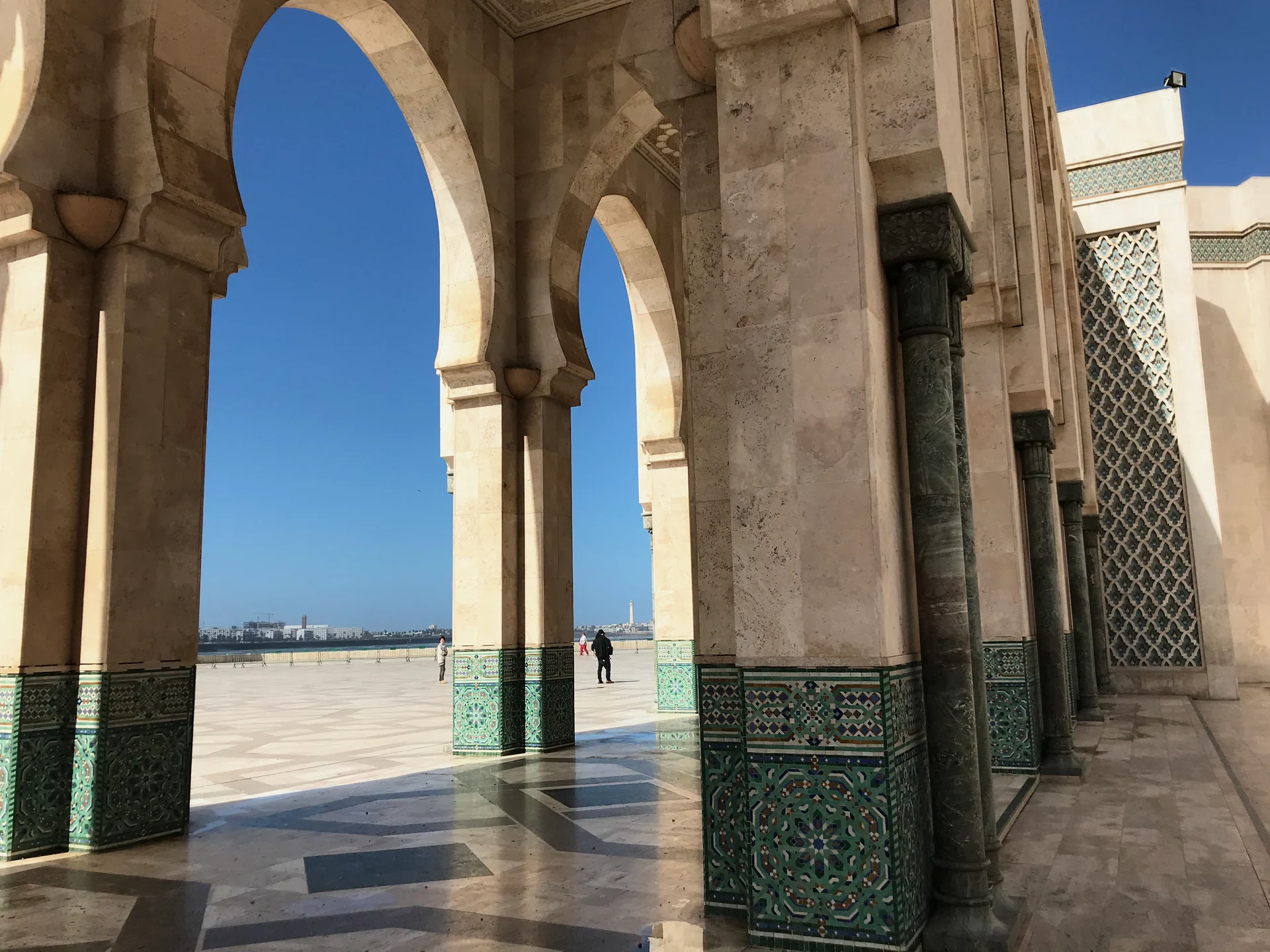
Audiovisual production in Morocco: how to frame a project from A to Z is as much about method as it is about image. In Morocco, strong production connects creative intention, field realities and the actual use of the content. This guide offers a practical view of audiovisual production Morocco, without artificial formulas or unrealistic promises.
Start with the intention, not the camera
The right production setup begins with a clear intention. Before discussing equipment, define what the audience should understand, feel or remember. That decision guides format, direction, pace and duration without overbuilding the shoot.
Applied to audiovisual production Morocco, this means looking at the project as one system: preparation, people, locations, technical choices, distribution and approval. The most useful decision is often the one that simplifies production without weakening the story.
Turn the brief into production choices
A useful brief is more than a topic. It identifies audiences, channels, constraints, approvals and deliverables. From there, production can choose between a compact crew, multicamera coverage, photography, motion design or social adaptations.
Applied to audiovisual production Morocco, this means looking at the project as one system: preparation, people, locations, technical choices, distribution and approval. The most useful decision is often the one that simplifies production without weakening the story.
Create one visual language
Lighting, framing, locations, wardrobe, colour and post-production should all support the same idea. A premium result rarely comes from one spectacular shot. It comes from continuity in the decisions made before, during and after production.
Applied to audiovisual production Morocco, this means looking at the project as one system: preparation, people, locations, technical choices, distribution and approval. The most useful decision is often the one that simplifies production without weakening the story.
Plan the life of the content beyond the main film
One shoot can feed much more than one film. Portraits, vertical cuts, stills, quotes, teasers and short extracts can be designed during pre-production. This increases the value of the setup without automatically increasing shooting days.
Applied to audiovisual production Morocco, this means looking at the project as one system: preparation, people, locations, technical choices, distribution and approval. The most useful decision is often the one that simplifies production without weakening the story.
Practical checklist
- Clarify the objective and audience before discussing resources.
- Identify approvals, permissions and external dependencies.
- Build the schedule around real field constraints.
- Plan primary deliverables and adaptations before the shoot.
- Assign clear ownership for every critical decision.
Our recommendation
At Good Times Production Morocco, we first look for the setup that is right for the project. Sometimes that means a smaller crew for mobility, sometimes more preparation or post-production. The goal is not to impress with resources, but to secure the result.
Keep the production readable
What audiences perceive as quality is closely linked to clarity behind the scenes. A well-prepared project creates more room for direction, encounters and useful surprises. That is often where the strongest images come from.
Continue exploringDiscover our audiovisual production, explore our production services, or discuss your project through work.
Frequently asked questions
How much preparation time should be allowed?
It depends on the number of locations, contributors, permits and deliverables. A good approach is to start with the elements that depend on third parties, then build the schedule around the approvals that are genuinely required.
Does the travelling production need to bring the full crew?
Not necessarily. Production, camera, sound, assistants and logistics can often be sourced locally. The right balance depends on the format and on which responsibilities the travelling production wants to retain.
Can social versions be planned from the start?
Yes, and that is usually better. Aspect ratios, openings, cutaways and graphic needs can be anticipated during the shoot instead of forcing weak adaptations in post-production.