
Journal GTP Morocco
Filming in Casablanca: advantages, constraints and organisation
Filming in Casablanca: advantages, constraints and organisation. Practical guidance from Good Times Production Morocco on planning, field production and deliv
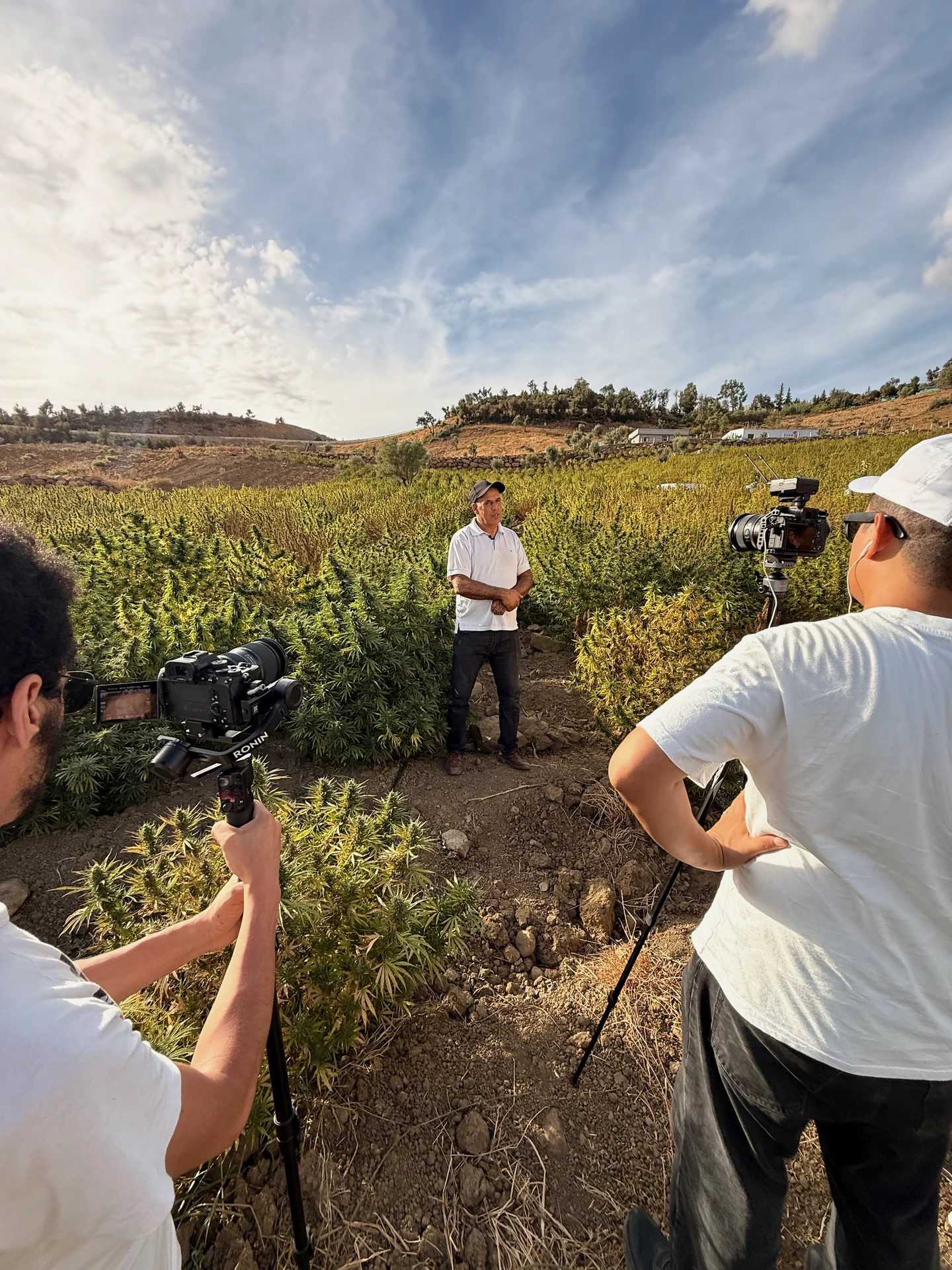
Filming in Casablanca: advantages, constraints and organisation is as much about method as it is about image. In Morocco, strong production connects creative intention, field realities and the actual use of the content. This guide offers a practical view of filming in Casablanca, without artificial formulas or unrealistic promises.
Treat travel as part of the production design
Distance between locations has a direct impact on shooting time. Changes of environment, daylight windows and contributor availability belong in the shooting plan, not in a separate logistics conversation at the end.
Applied to filming in Casablanca, this means looking at the project as one system: preparation, people, locations, technical choices, distribution and approval. The most useful decision is often the one that simplifies production without weakening the story.
Build continuity across different locations
When several territories appear in the same film, consistency comes from the point of view. Framing, movement, palette, sound and direction create a common language that allows the story to travel without losing its identity.
Read the territory before choosing the shots
A location has an identity and a set of constraints. Sun direction, traffic, access, noise, distance and public activity can turn an attractive place into a difficult set. Good scouting considers both dimensions at the same time.
Avoid automatic postcard imagery
Showing a territory does not mean stacking its most recognisable symbols. More elegant production often looks for details, gestures, materials and situations that create a sense of place without reducing it to cliché.
Practical checklist
- Clarify the objective and audience before discussing resources.
- Identify approvals, permissions and external dependencies.
- Build the schedule around real field constraints.
- Plan primary deliverables and adaptations before the shoot.
- Assign clear ownership for every critical decision.
Our recommendation
At Good Times Production Morocco, we first look for the setup that is right for the project. Sometimes that means a smaller crew for mobility, sometimes more preparation or post-production. The goal is not to impress with resources, but to secure the result.
Keep the production readable
What audiences perceive as quality is closely linked to clarity behind the scenes. A well-prepared project creates more room for direction, encounters and useful surprises. That is often where the strongest images come from.
Continue exploringDiscover our audiovisual production, explore our production services, or discuss your project through work.
Frequently asked questions
How much preparation time should be allowed?
It depends on the number of locations, contributors, permits and deliverables. A good approach is to start with the elements that depend on third parties, then build the schedule around the approvals that are genuinely required.
Does the travelling production need to bring the full crew?
Not necessarily. Production, camera, sound, assistants and logistics can often be sourced locally. The right balance depends on the format and on which responsibilities the travelling production wants to retain.
Can social versions be planned from the start?
Yes, and that is usually better. Aspect ratios, openings, cutaways and graphic needs can be anticipated during the shoot instead of forcing weak adaptations in post-production.